NATURE BORN
Currently in the studio
A small selection of one-of-a-kind garments, created and naturally dyed now available.
Each piece carries the unique variations of plant colour and the trace of the hands that made it. Together, they mark the closing of one creative chapter and the beginning of a new, made-to-order era.
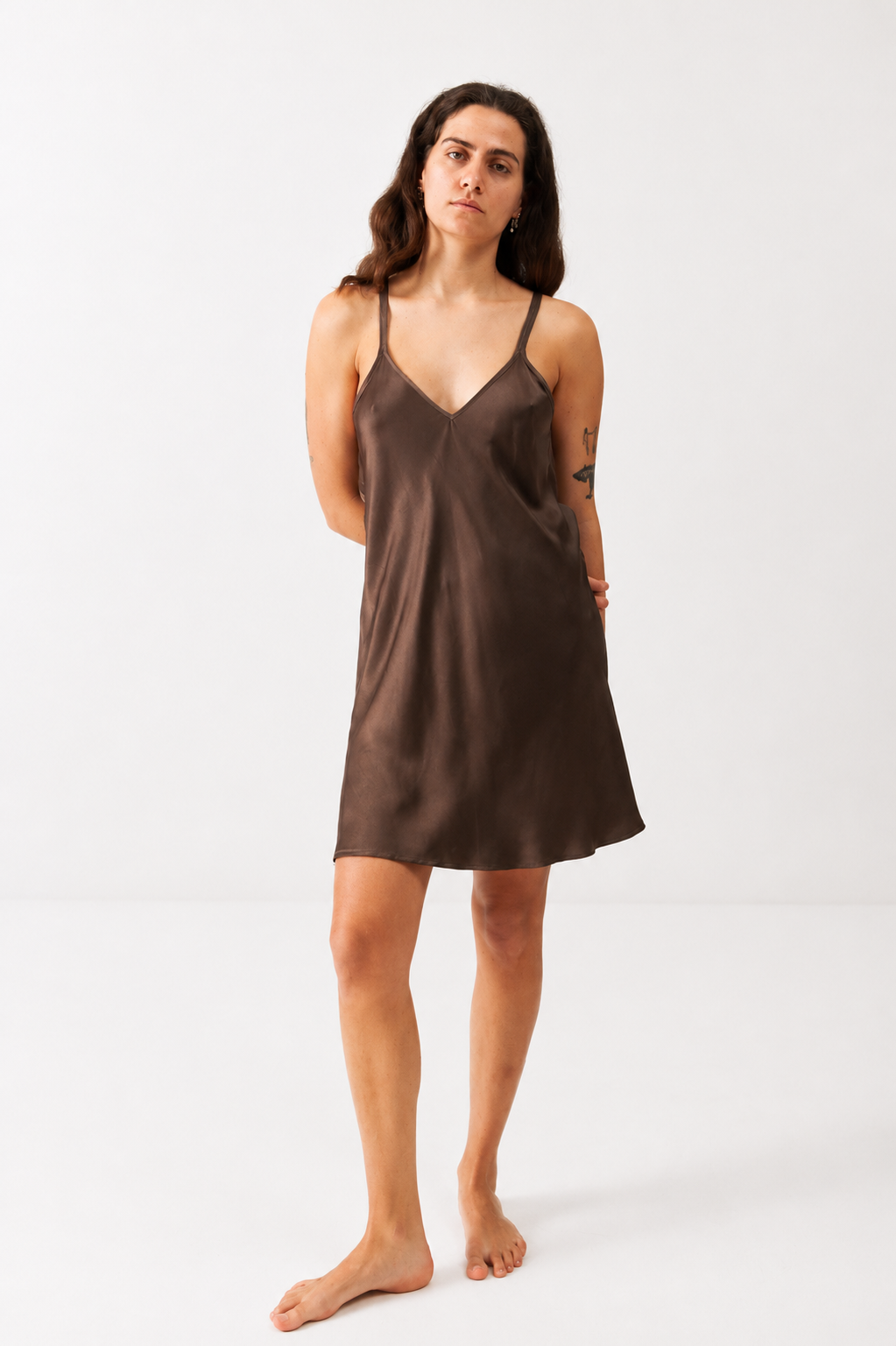
A timeless silk slip dress dyed entirely with cutch, creating a rich earthy brown that highlights the natural sheen of the silk. Minimal and elegant, this piece celebrates the quiet beauty of natural colour without embellishment.
Cut on the bias for a fluid silhouette, the dress softly follows the body's movement while adjustable crossover straps tie at the back for a comfortable, flexible fit. The depth and subtle variations of the colour come directly from the natural dyeing process.
Details
100% silk from Soufli, Greece
Naturally dyed with cutch
Bias-cut silhouette
Adjustable crossover tie-back straps
Handmade in Greece
Size: M/L
Bust: Fits approximately 92–104 cm
Waist: Fits approximately 76–88 cm
Hips: Fits approximately 100–112 cm
Length: 72 cm (excluding adjustable straps)
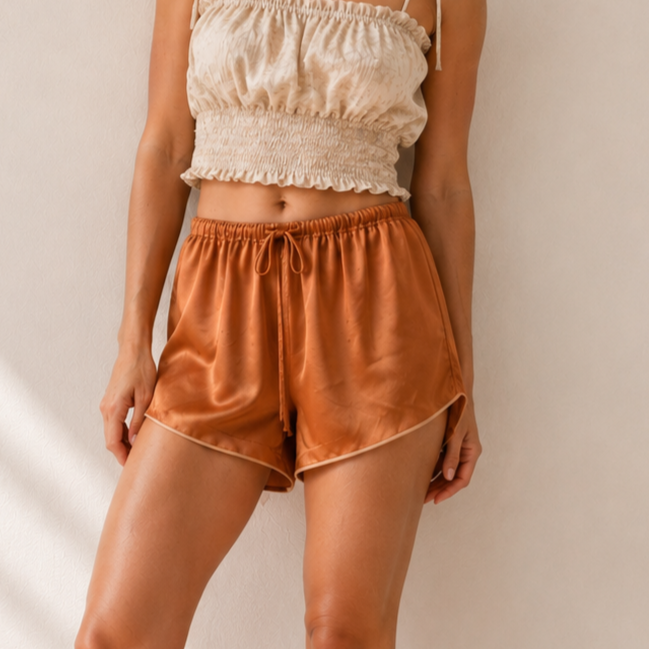
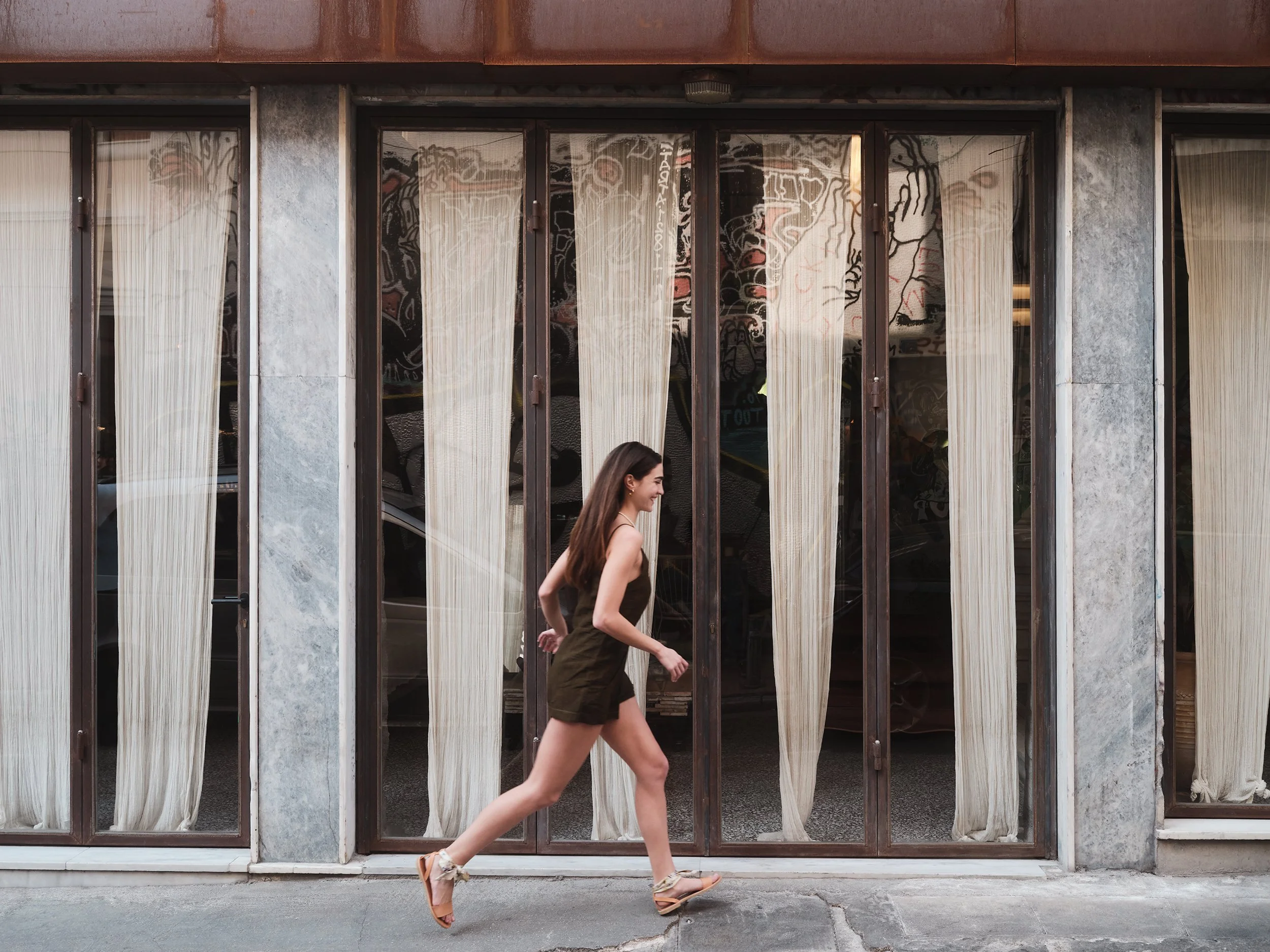
Lightweight, fluid, and effortlessly elegant, these silk shorts are handcrafted from soft silk and naturally dyed with madder roots.
Designed for comfort and ease, they feature a soft elastic waistband with a decorative silk drawstring and gently overlocked hems that enhance their relaxed silhouette. The airy cut allows the silk to move beautifully with the body, making them perfect for warm summer days, slow mornings, or elevated everyday wear.
Details
100% silk from Soufli, Greece
Naturally dyed with madder roots
Soft elastic waistband
Decorative silk drawstring
Relaxed fit
Overlocked hem finish
One of a kind
Handmade in Athens, Greece
Size: XS
Waist: 60cm –80 cm (relaxed to stretched)
Hips: 98 cm
Total length: 32cm
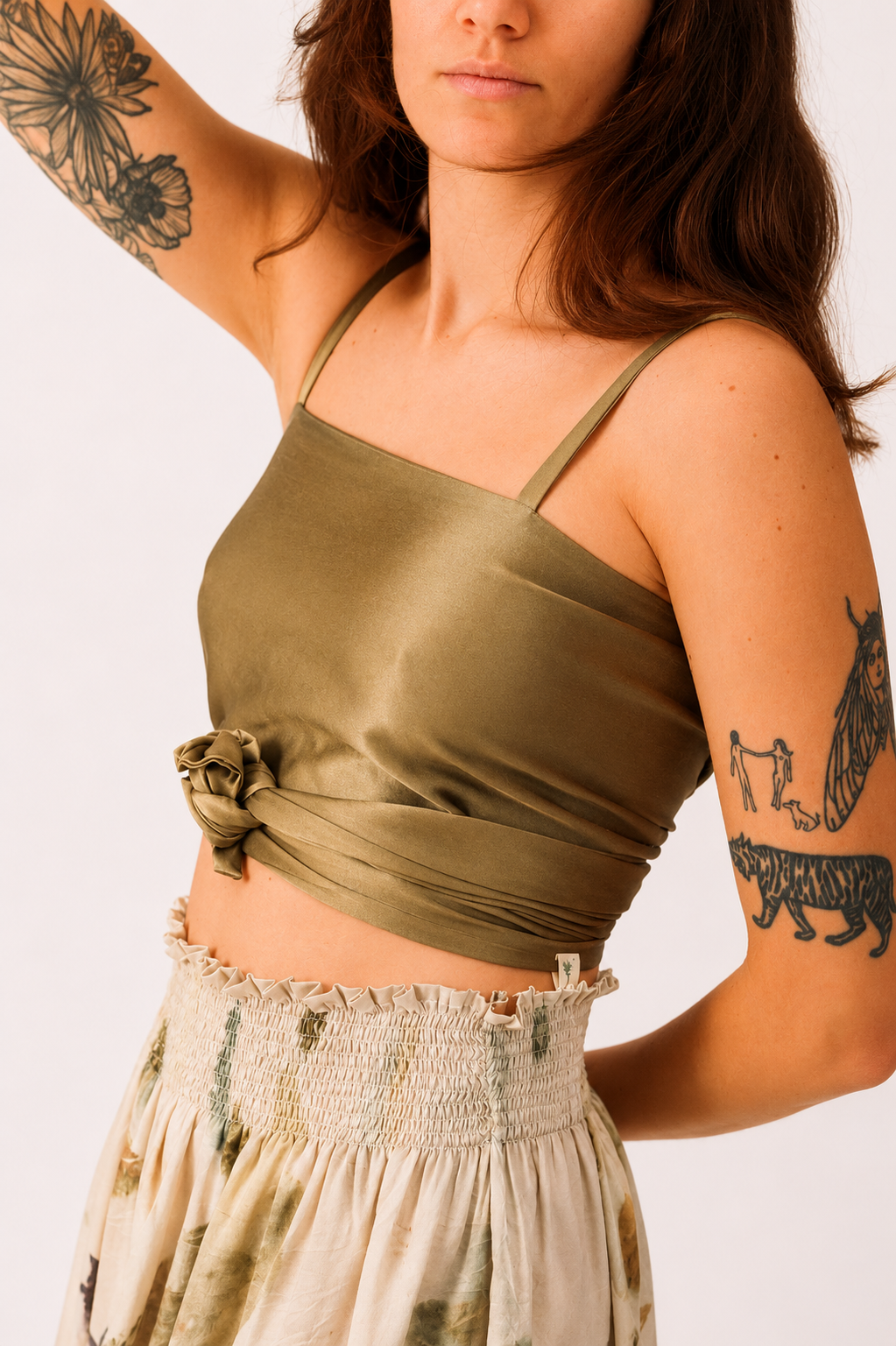
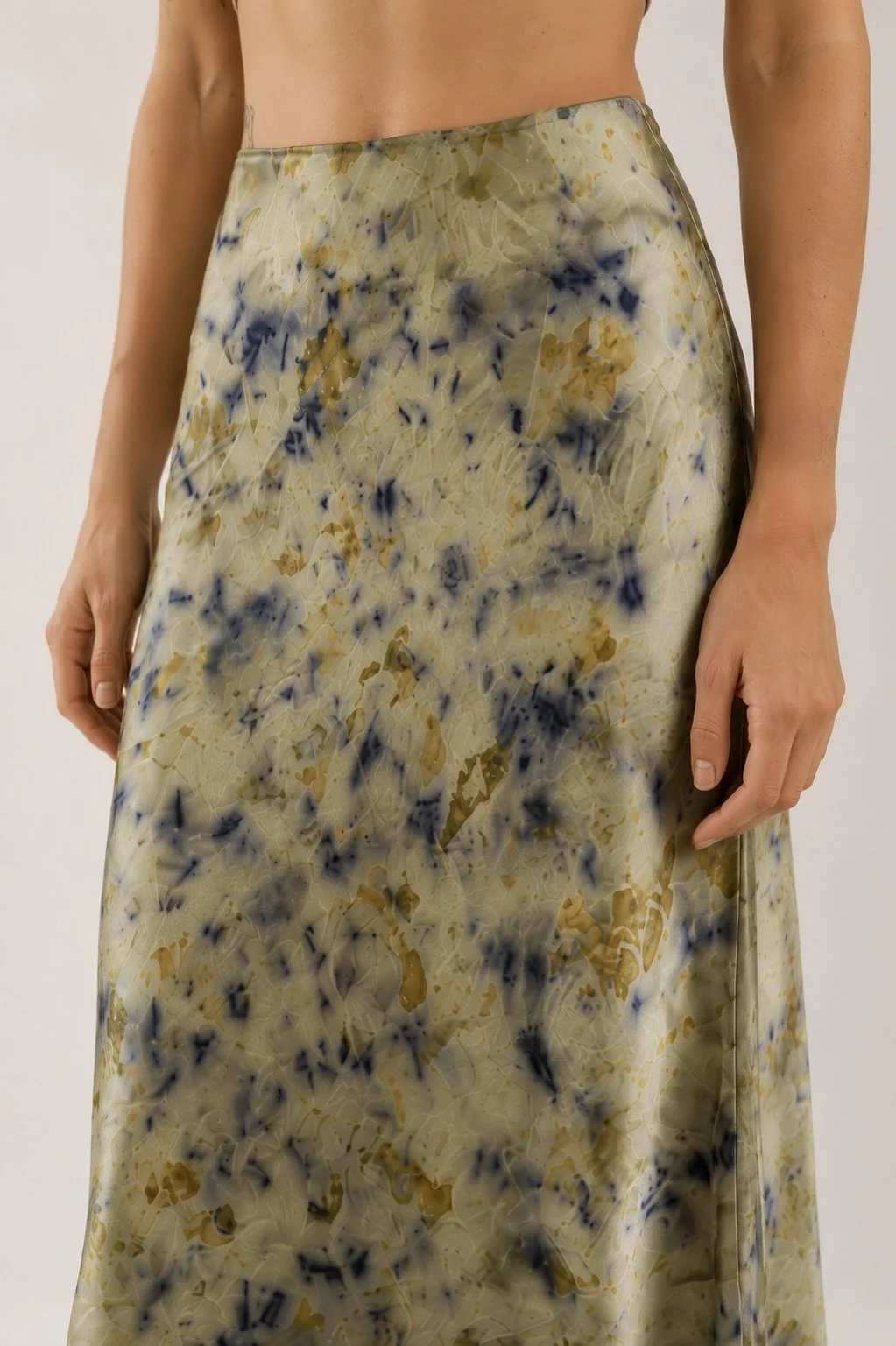
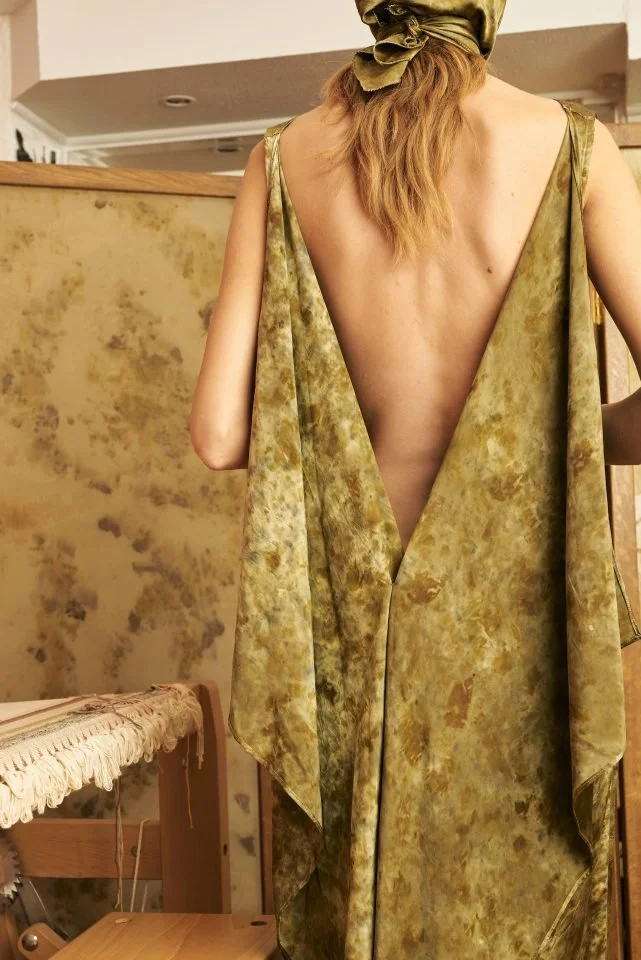
Crafted from luxurious silk woven in Soufli, Greece, this one-of-a-kind tie-back top is naturally dyed with onion skins, creating a rich olive-gold hue with a luminous silk sheen.
Designed with adjustable shoulder straps and long ties that wrap and fasten at the back or waist, the silhouette can be adjusted to suit different body shapes while offering multiple styling options.
Details
100% silk woven in Soufli, Greece
Naturally dyed with onion skins
Adjustable shoulder straps
Tie-back design for an adjustable fit
Bodice height: 27cm
Available
New Accessories Pieces
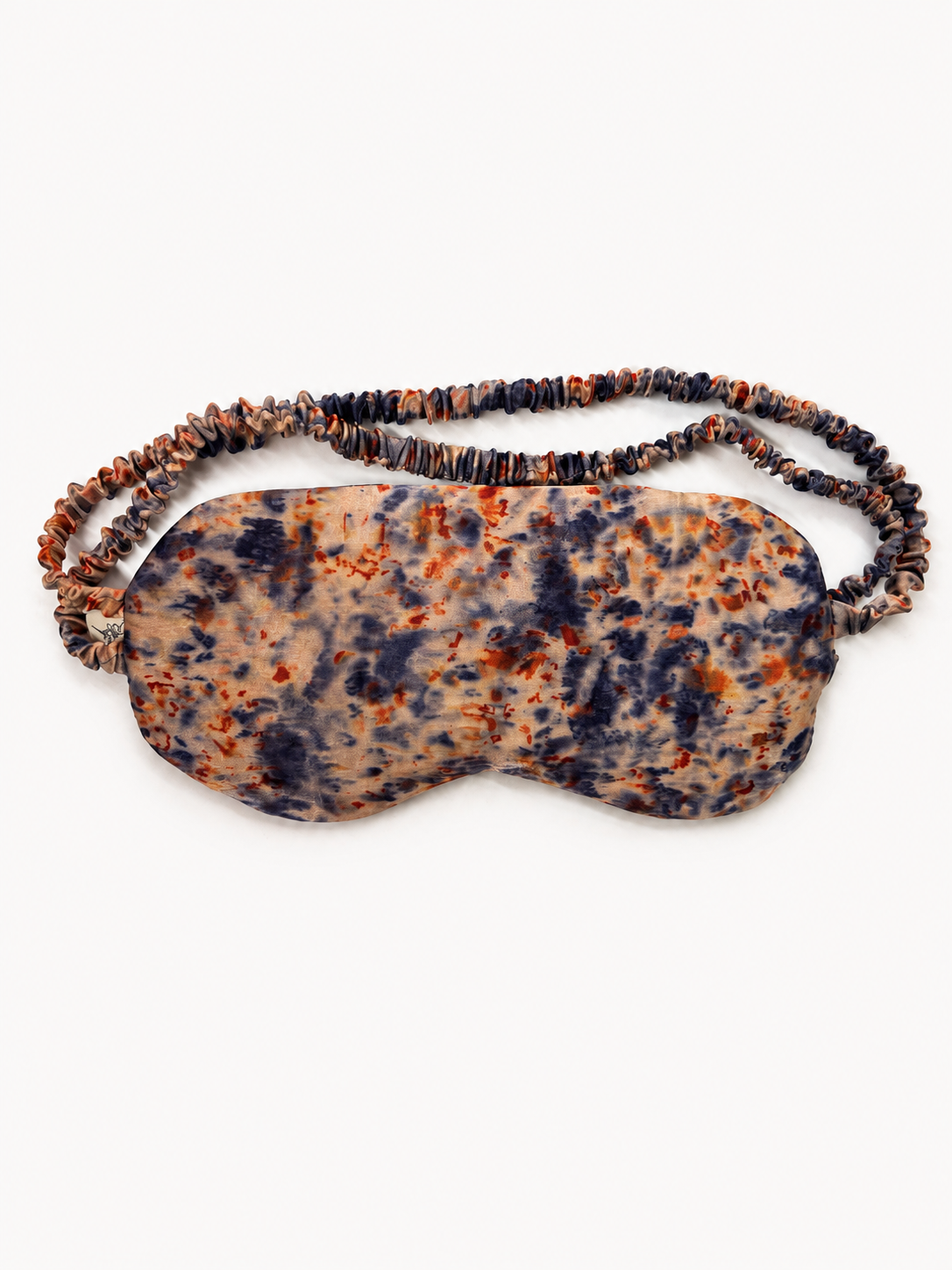
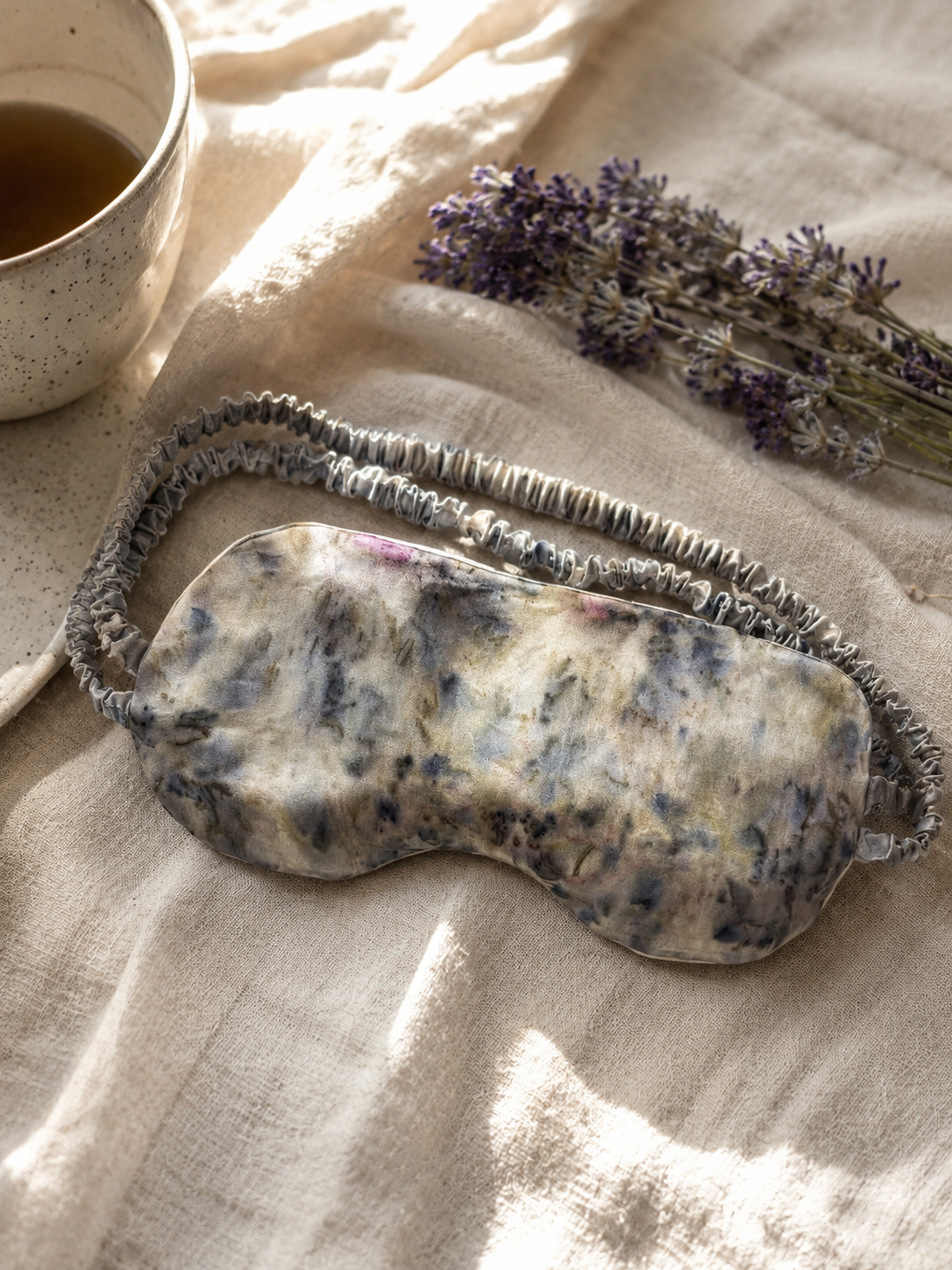
Create a moment of stillness with this one-of-a-kind silk meditation eye mask, handcrafted from luxurious silk woven in Soufli, Greece. Naturally dyed using annatto seeds and madder roots, then bundle dyed with mallow roses and overdyed with madder.
Filled with fragrant organic lavender and natural flax seeds, this eye mask offers gentle, comforting weight that encourages deep relaxation during meditation, yoga, savasana, breathwork, or before sleep. The soft Greek silk feels cool and smooth against the skin, while the two elastic straps keep the pillow comfortably in place without pressure, fitting all head sizes.
Benefits of Lavender
Lavender has long been used in aromatherapy for its naturally calming scent. Its gentle floral fragrance may help create a relaxing atmosphere, making it easier to unwind, reduce feelings of stress, and prepare the mind for meditation or restful sleep.
Benefits of Flax Seeds
The natural flax seed filling provides a soft, evenly distributed weight that rests comfortably over the eyes. This light pressure can encourage relaxation, help release facial tension, and promote a deeper sense of calm during meditation or rest. Flax seeds also naturally retain warmth or coolness, allowing the eye pillow to be gently warmed or chilled for additional comfort.

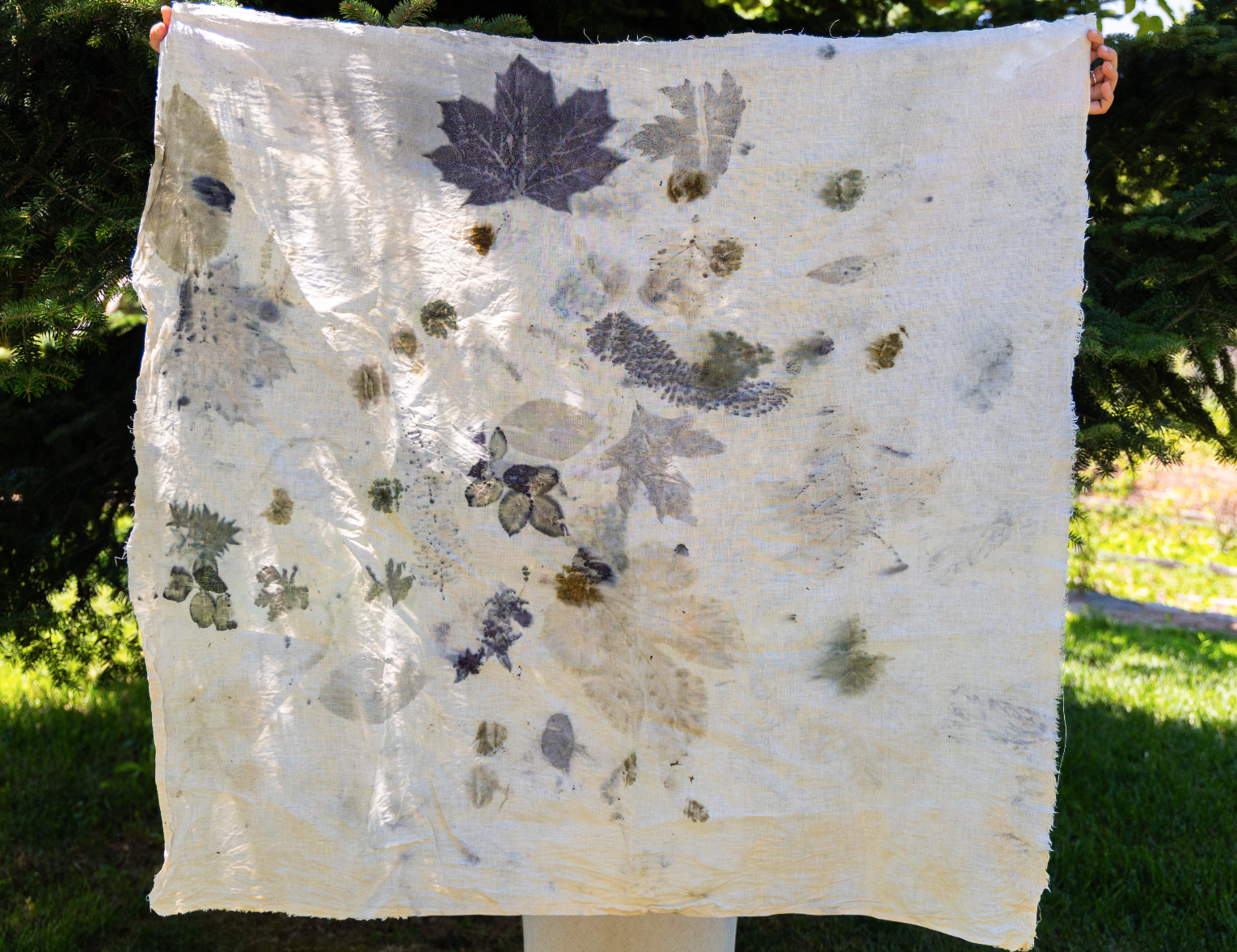
A pair of 100% cotton socks, individually bundle dyed with plants, creating a completely unique composition of colour and botanical markings.
Bundle dyed with walnut husks, annatto seeds, chamomile, safflowers and marigold flowers by Christiana
Made from 100% cotton for a soft and comfortable everyday feel.
Material: 100% Cotton
Size: EU 41–43
Fit: Unisex
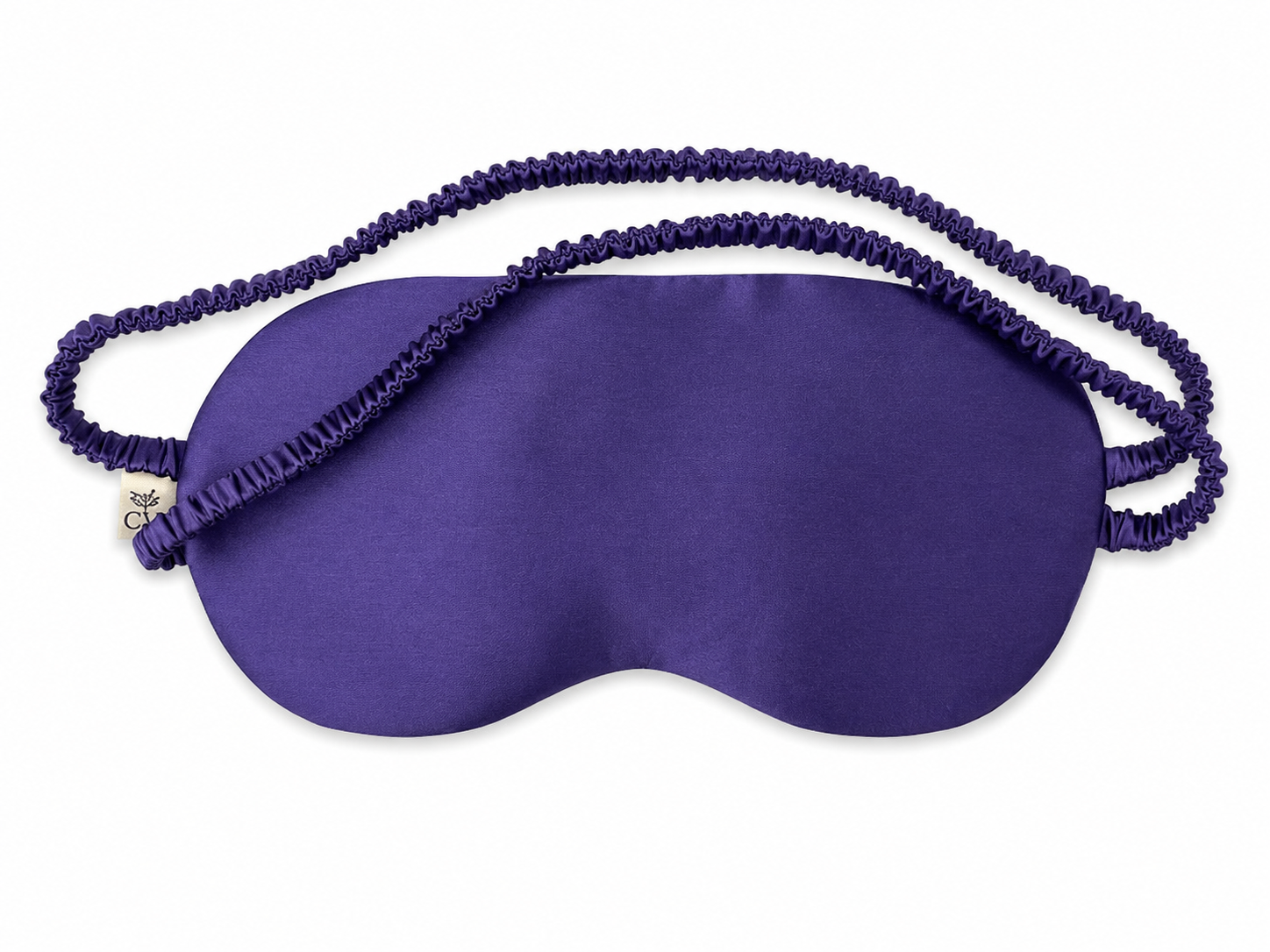
Enjoy restful sleep with this luxurious handcrafted silk sleep mask, made from premium silk woven in Soufli, Greece and naturally dyed by hand using logwood bark.
The rich violet hue is achieved entirely with botanical dyes, celebrating the beauty of natural colour and traditional craftsmanship.
Crafted from smooth silk, it feels exceptionally soft against the skin while helping to reduce friction around the delicate eye area. Designed to block out light completely, it creates the ideal environment for deeper sleep whether you're at home, travelling, or meditating.
Featuring two soft elastic straps, the mask comfortably adapts to different head sizes, offering a secure fit without pulling on your hair or feeling restrictive.
Details
100% silk from Soufli, Greece
Naturally dyed with logwood bark
Double elastic straps for maximum comfort
One size fits most
Blocks out light for restful sleep
Perfect for sleeping, meditation and travel
Handmade in Athens, Greece
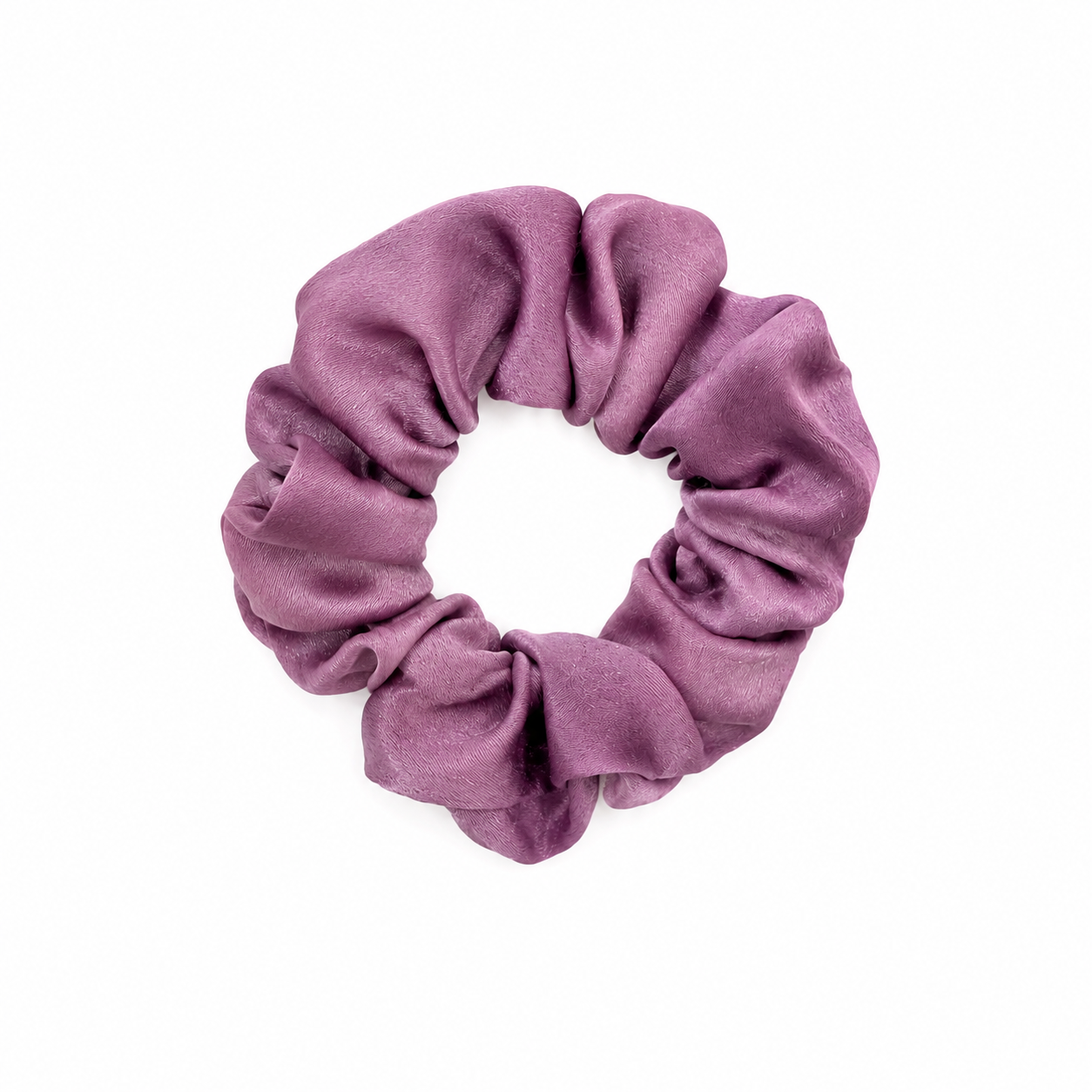
This handcrafted silk scrunchie is made from 100% silk woven in Soufli, Greece and dyed by hand in my Athens studio with lac, a traditional natural dye prized for its rich pink and mauve tones.
Designed to be worn every day, it adds a touch of understated elegance whether styled in a ponytail, bun, braid, or worn around your wrist.
Details
100% silk woven in Soufli, Greece
Naturally dyed with lac.
Silk is naturally smooth and gentle on your hair, making it an excellent alternative to traditional elastic hair ties. It helps:
Reduce hair breakage and split ends
Minimise friction that causes frizz
Prevent pulling and snagging
Avoid deep hair creases after wearing
Protect delicate hair while keeping hairstyles secure
Stay comfortable enough for all-day and overnight wear
The softness of silk allows your hair to move naturally, helping maintain healthier, shinier hair over time.
Latest Collaborations
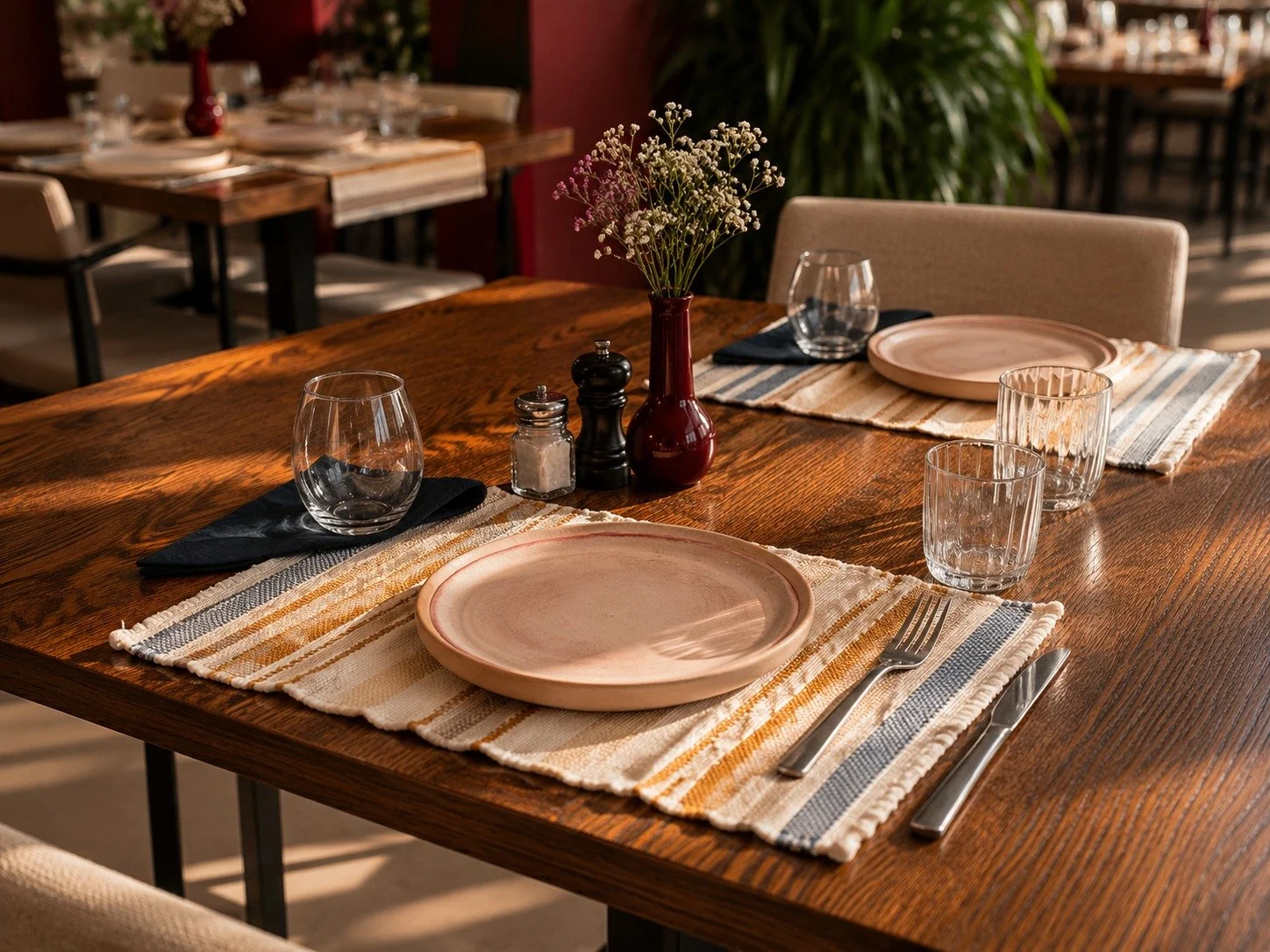
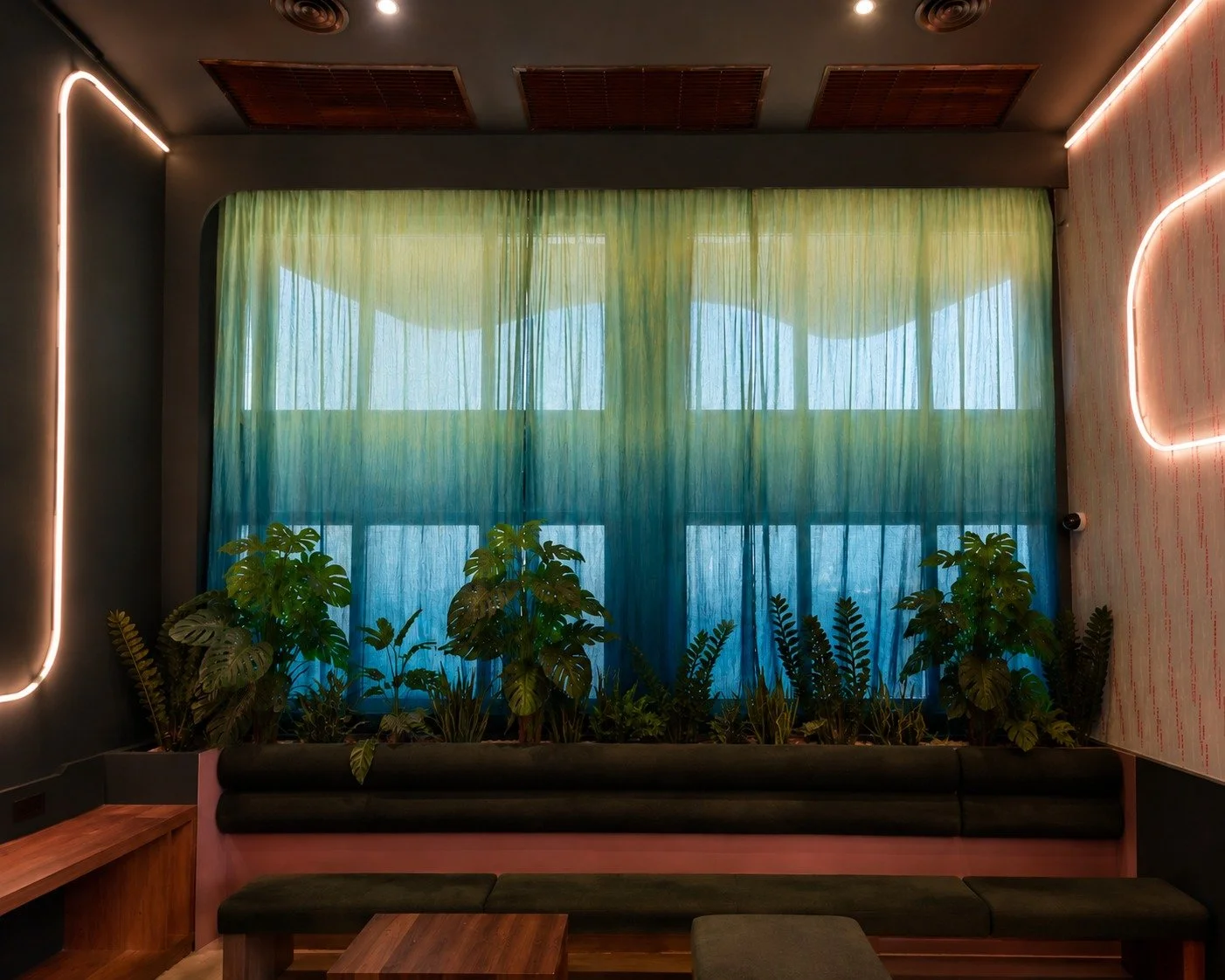
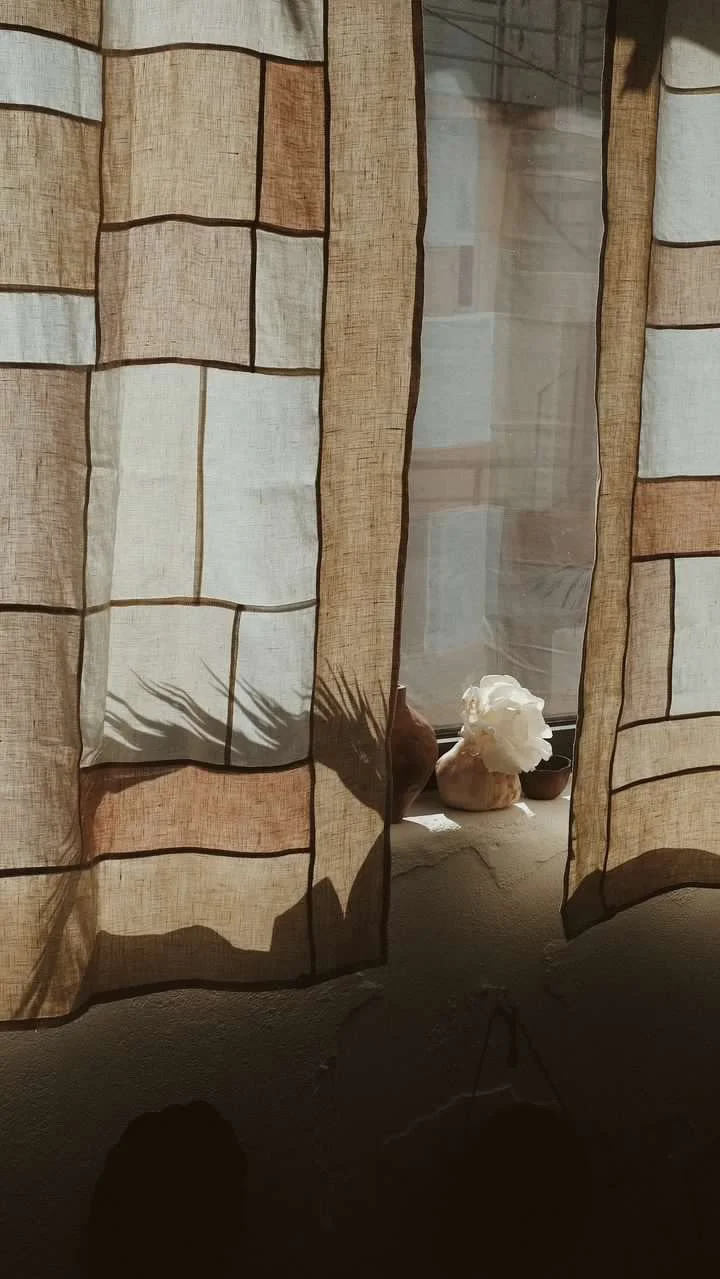
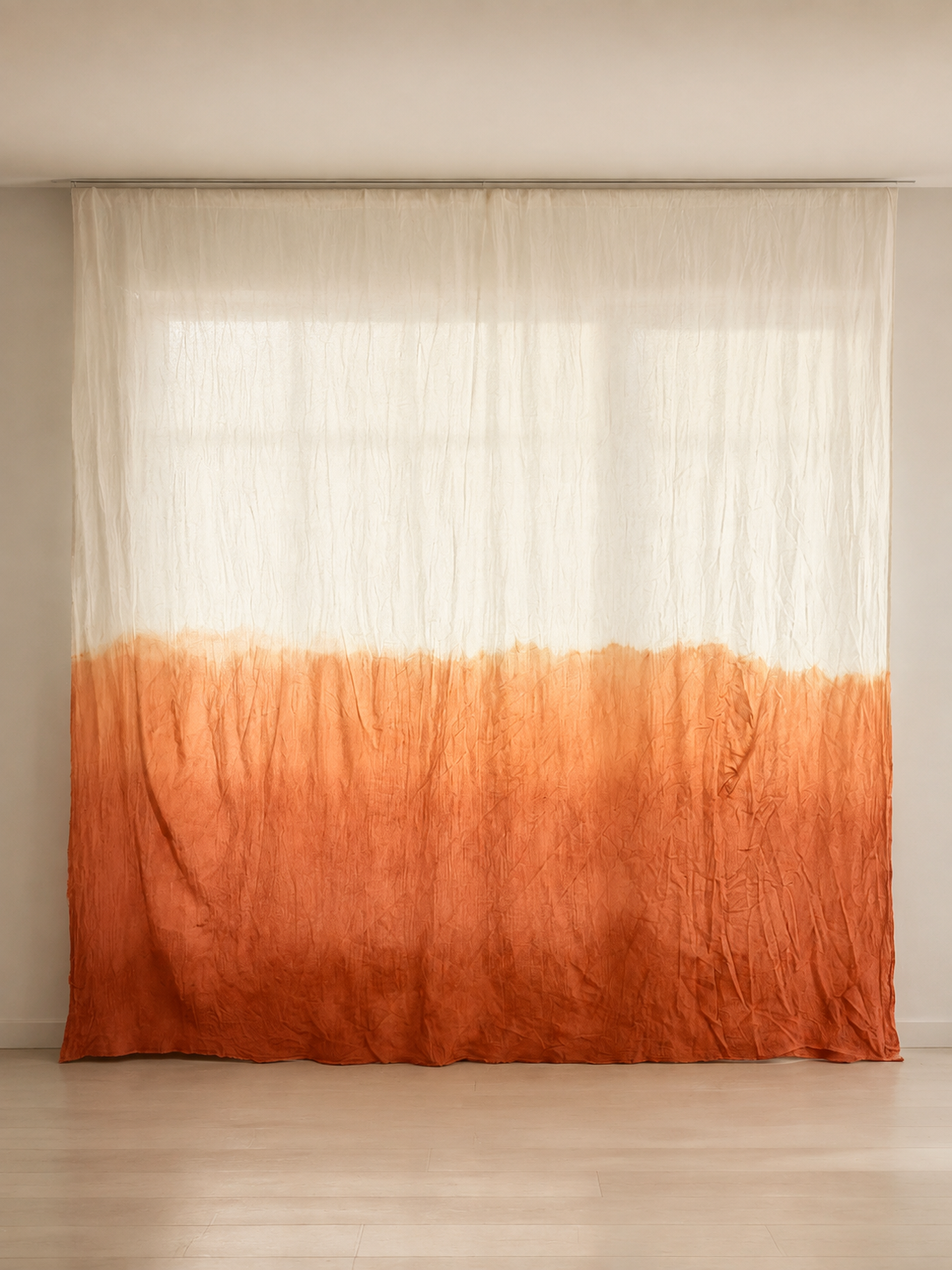
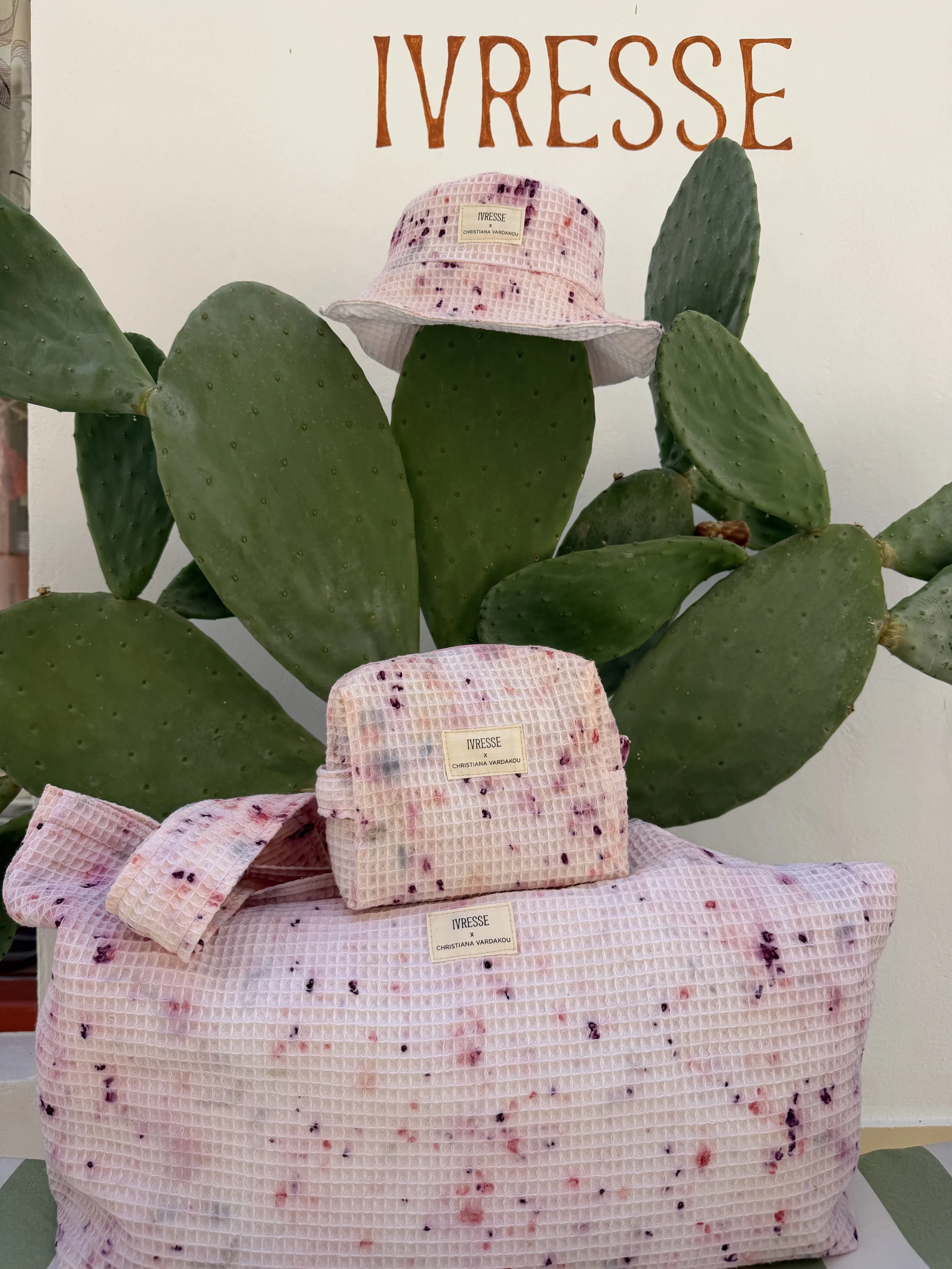
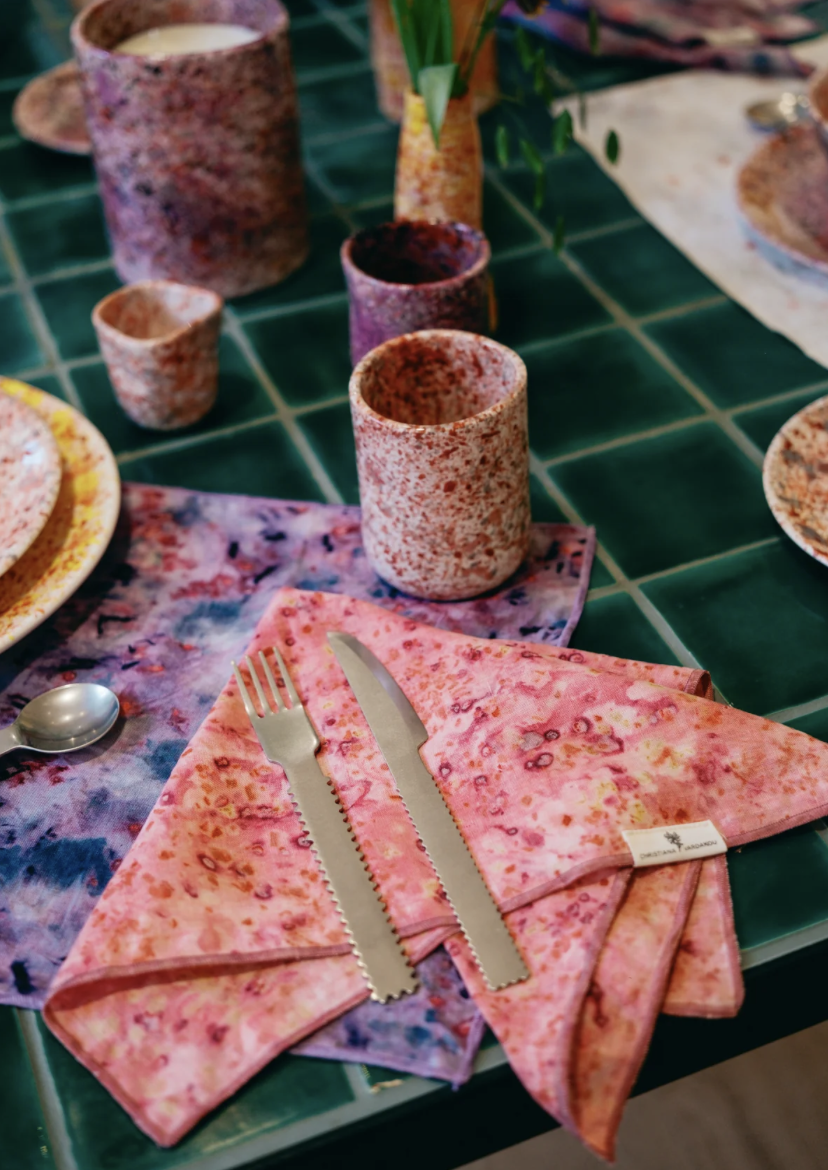
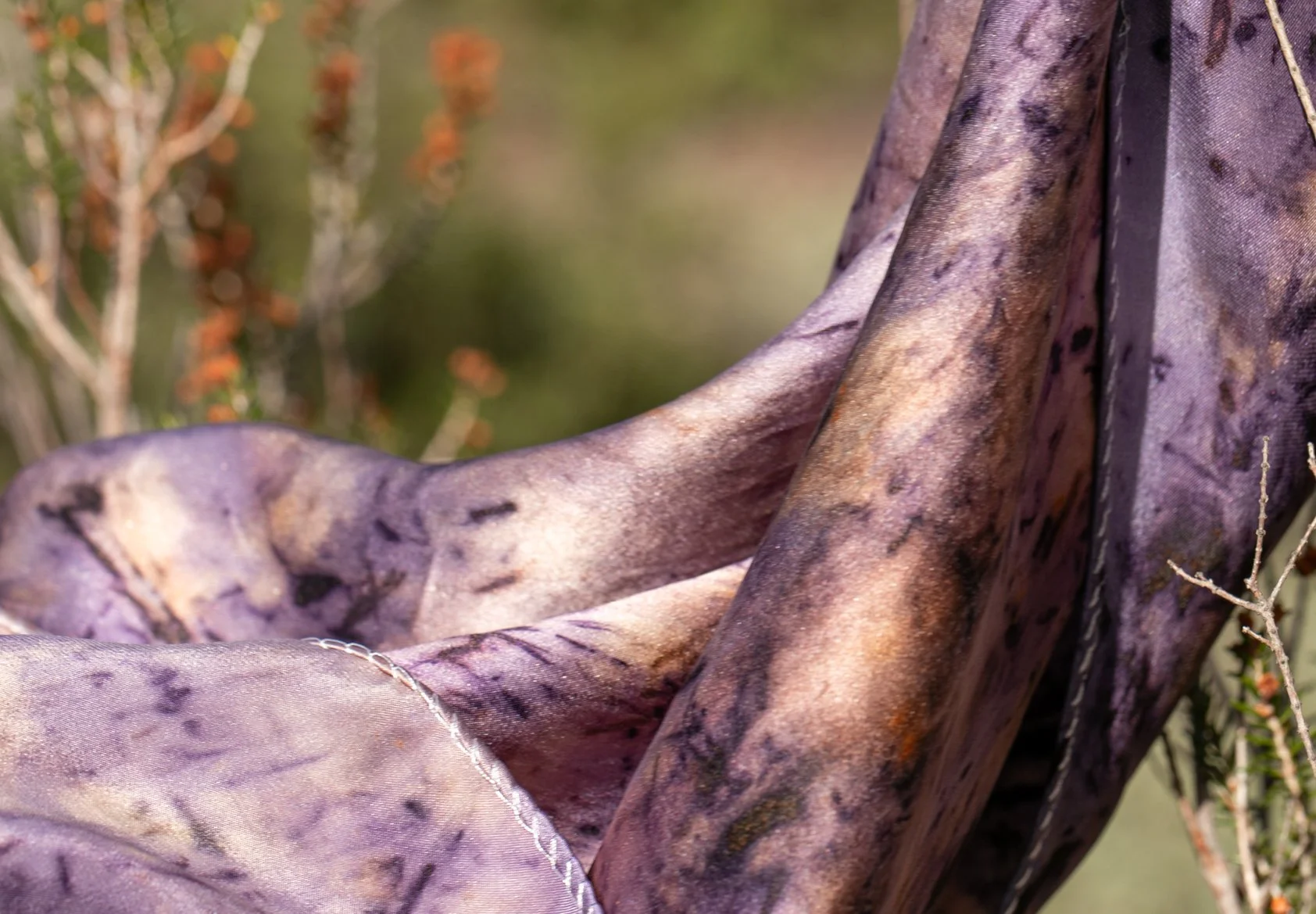
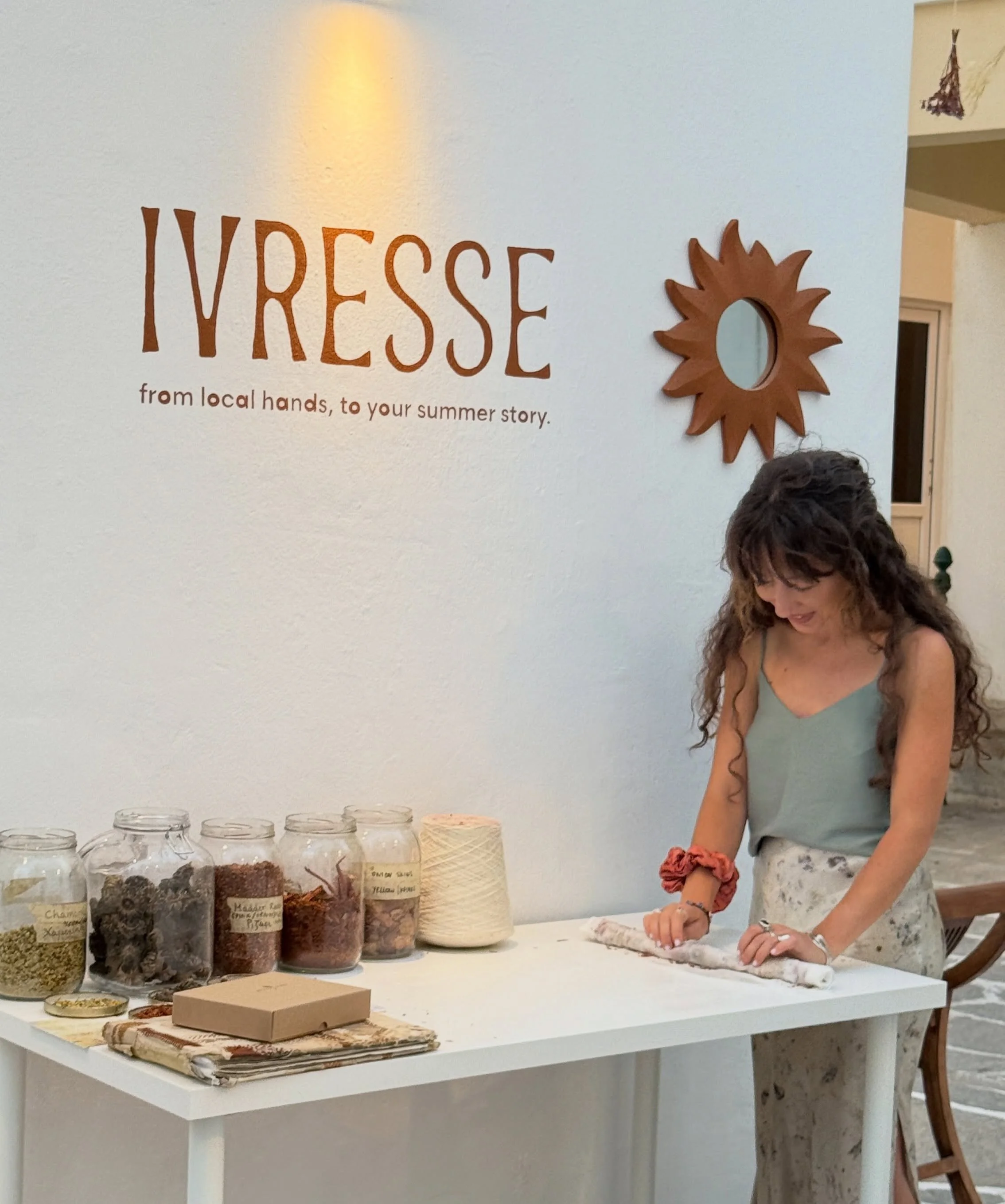
Christiana Vardakou is a premium natural dye atelier creating made-to-order garments, textiles, and collaborative projects for brands, hospitality, and design.
Rooted in craft and cultural knowledge, the studio works through small-scale production and educational practice.
Back in stock!
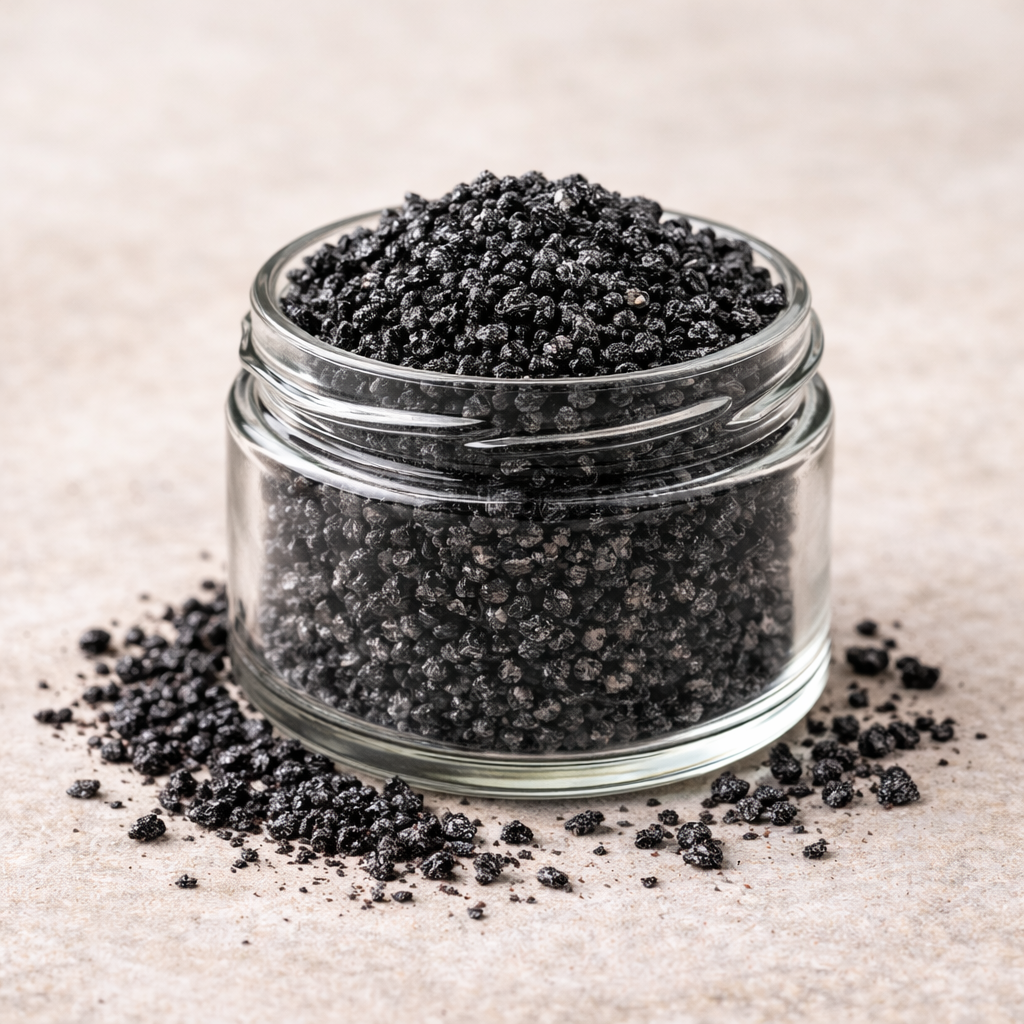
Cochineal is a historic natural dye material traditionally used in textile dyeing to achieve a wide spectrum of reds and purples. The females of Dactylopius coccus colonise prickly pears native to Central and South America, as well as the Canary Islands. Valued for centuries by dyers and artists, cochineal produces a powerful range of fuchsias, crimson reds and deep purples, with colour variations shifting depending on mordant choice and the pH of the dye bath.
Offered here whole for controlled extraction, it is suitable for immersion dyeing, bundle dyeing and experimental textile processes on natural fibres.
For textile and artistic use only.
Not intended for cosmetic or food applications.
Want to learn how to dye with cochineal?
Take part in the Advanced Natural Dyeing Workshop to explore its full colour potential through guided practice.
The same plants used in our natural dye workshops, available for you to experiment with at home.
Explore the process of botanical color and begin your own dye practice.
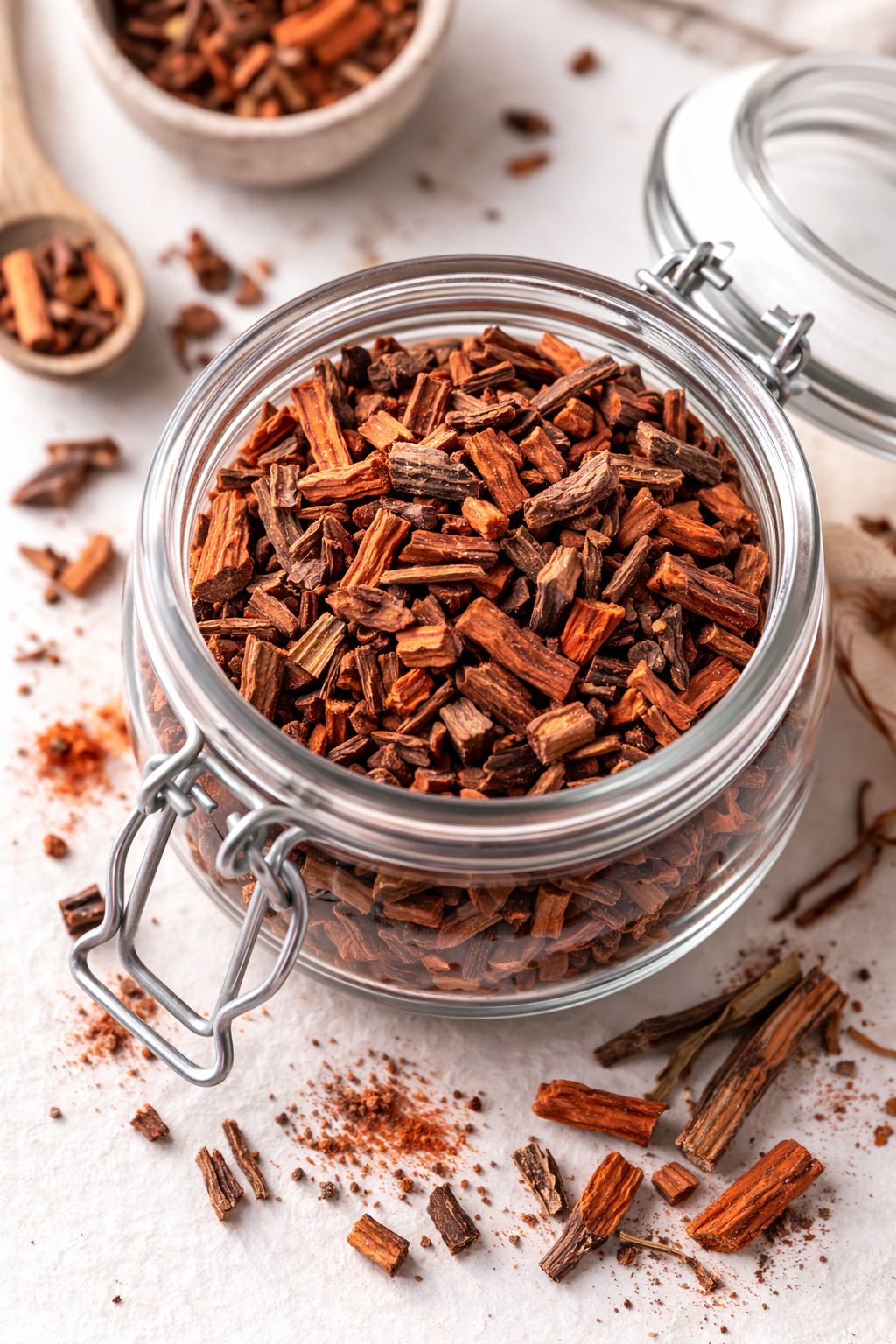
Madder (Rubia tinctoria) is one of the oldest known dyestuffs and, for me, the queen of natural dyes. Across centuries of textile history, it has been used to create a rich spectrum of colour — from deep reds and mulberry tones to warm terracotta, coral, soft pinks and dusty purples.
Cultivated for generations throughout India, Turkey and Iran, madder once formed part of Greece’s own dye heritage. Although cultivation declined with the rise of synthetic dyes, the plant can still be found growing wild in regions such as Paros island, Evros and Zagorohoria, quietly carrying its history through the landscape.
Madder is a remarkably complex dye material, containing multiple colourants that respond sensitively to different dyeing processes. By adjusting temperature, pH, and the use of mordants or modifiers, dyers can unlock an extraordinary range of shades — making it both technically fascinating and deeply expressive.
Offered here as cut roots for immersion dyeing, bundle dyeing and experimental textile practice.
For textile and artistic use only.
Want to explore its full colour range? Learn more at the Advanced Natural Dyeing Workshop.
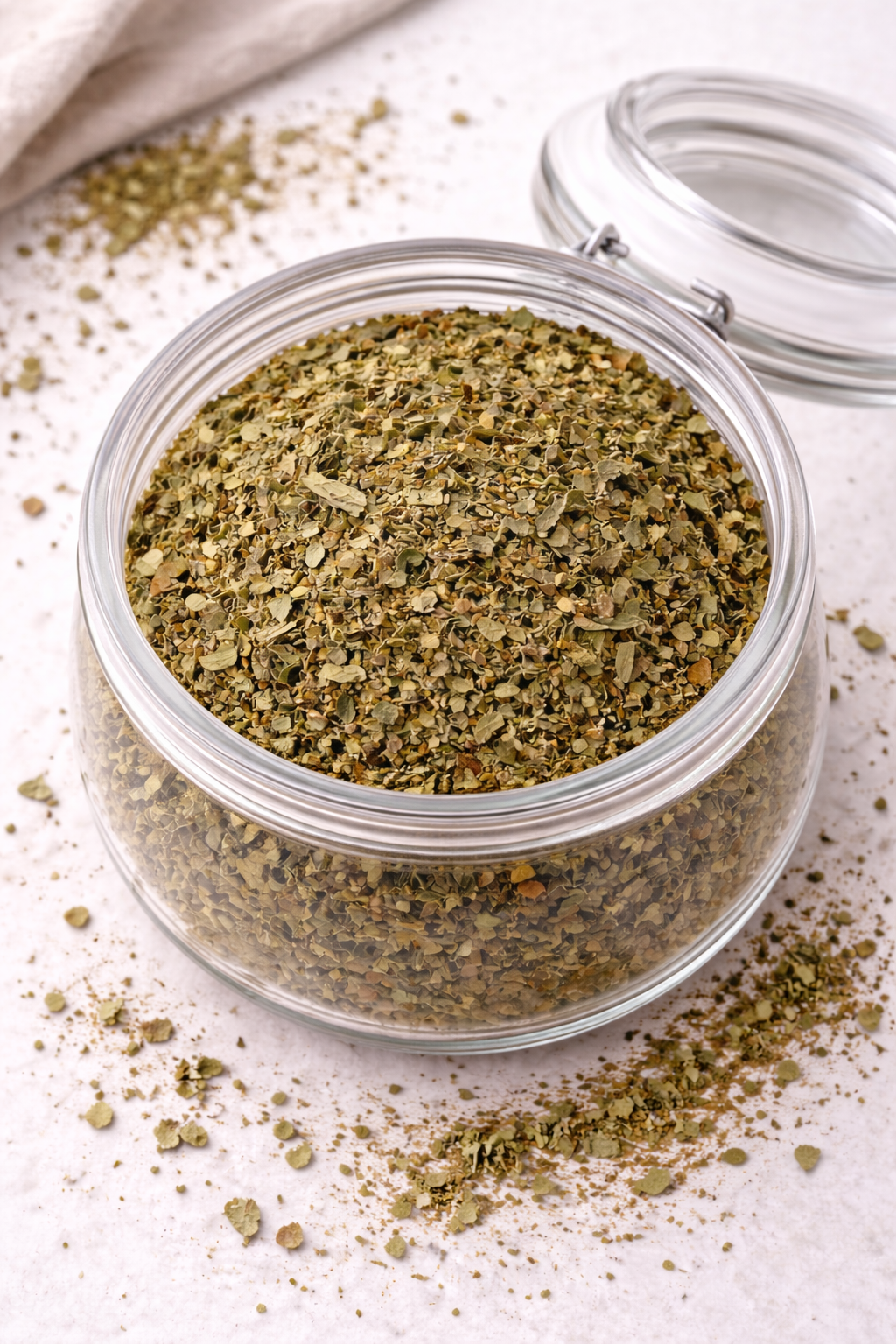
Ivy leaves (Hedera helix) have long been part of European dye traditions, valued for their ability to create soft muted greens and gentle yellow-olive tones on natural fibres. Growing abundantly across Greece and the Mediterranean landscape, ivy carries a quiet connection to local ecosystems and seasonal gathering practices.
Rich in natural compounds that respond subtly to iron and other modifiers, ivy is often used in eco printing, bundle dyeing and slow immersion dye baths. Rather than strong saturated colour, it offers atmospheric shades, making it ideal for layered textile work.
Offered here as crushed dried leaves for artistic textile processes and experimental natural dye practice.
For textile and artistic use only.
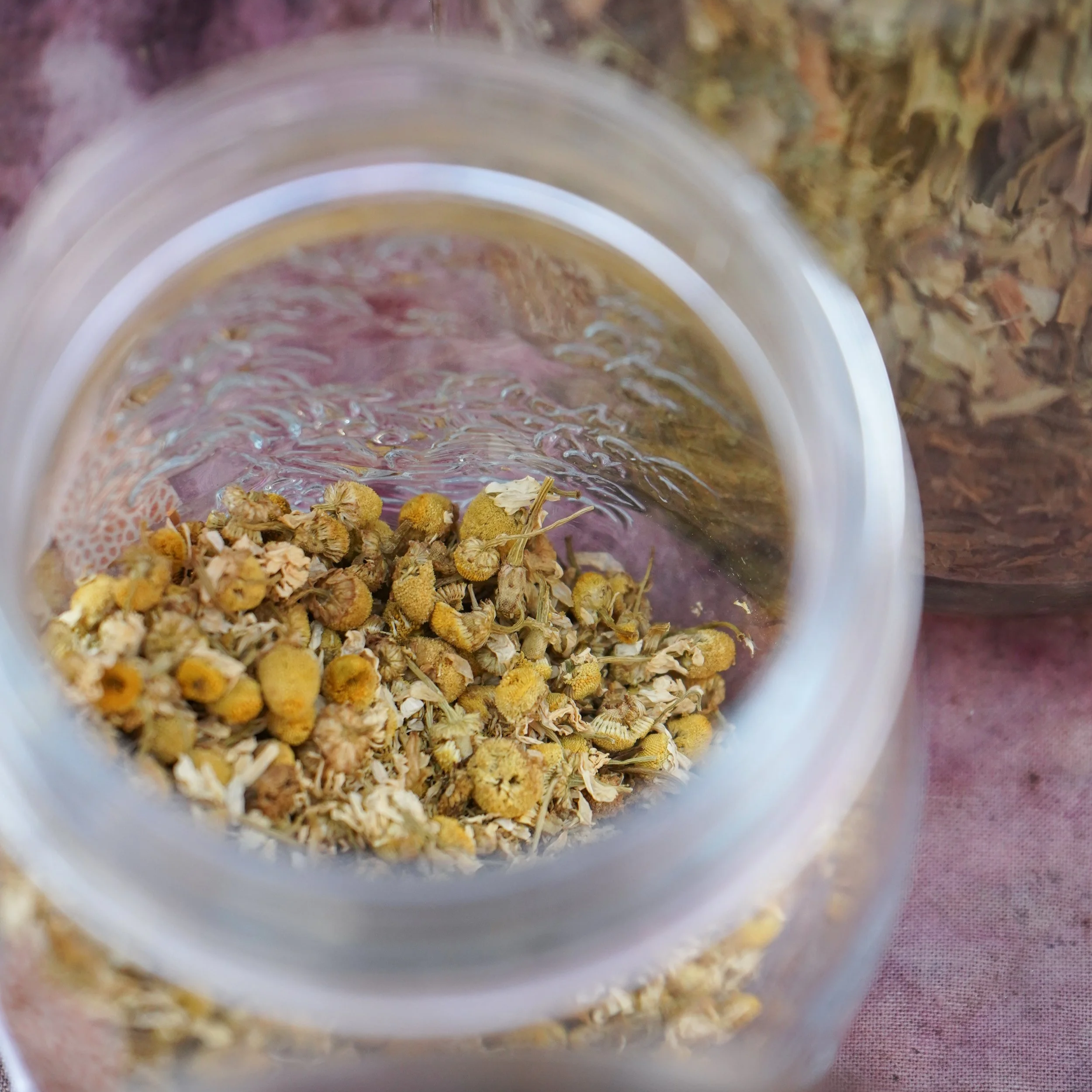
Dyer’s chamomile is a member of the daisy family and has been used for centuries as a dependable source of strong, luminous yellow in natural textile dyeing. Known in Greek landscapes as a wild summer flower, it grows abundantly across Greece, Europe and parts of North America, thriving in dry soils and open fields.
Historically, dyer’s chamomile was used in traditional Greek kilim carpets and other woven textiles to produce warm, sunlit yellows. Depending on mordant and modifiers, it can also shift into soft olive greens. Its clarity of colour makes it ideal for immersion dyeing and bundle dyeing.
Offered as dried flowers, this dye material is valued for its reliability, brightness and connection to Greek dye traditions.
For textile and artistic use only.